Meal Preparation and Cooking Group Participation in Mental Health: A Community Transition
The purpose of this study is to understand how daily activities such as meal preparation and cooking can support individuals recovering from severe mental illness (SMI). Individuals with SMI can experience difficulties in daily life, and Garcia and Privott (2023) sought to understand how meal preparation and cooking groups could support the transition to independent community living through occupational therapy. Occupational therapy uses everyday activities to support clients’ physical and mental health. Another goal of the study was to better understand the challenges individuals with SMI face so that more effective interventions can be developed. The study focused on one participant who had experienced long-term institutionalization and later transitioned to independent living.
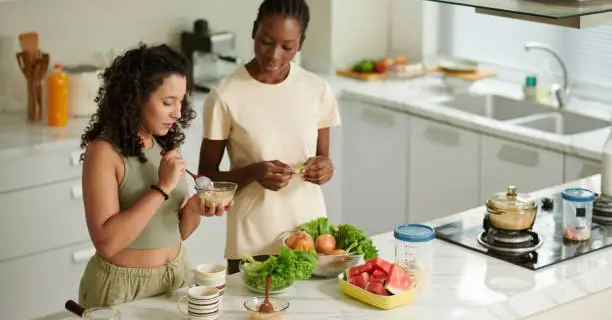
The study used a qualitative, retrospective case study approach. The participant was a middle-aged woman who had attended the Meal Prep Group over a long period of time, experienced several mental health conditions, and successfully transitioned to independent living (Garcia & Privott, 2023). She had been diagnosed with major depressive disorder and borderline personality disorder with antisocial traits. In the Meal Prep Group, clients participated in activities such as meal planning, grocery shopping, and cooking with guidance from supervisors.
The researchers analyzed 220 documents, including provider notes, occupational therapy records, and the participant’s Daily Goal Sheets. They coded these sources for patterns in her experiences and progress. Major themes included the connections between cooking and mood, cooking and hygiene, cooking as both a goal and an outcome, a sense of family and belonging through cooking, and the transition to independent living (Garcia & Privott, 2023).
The participant had experienced trauma beginning in childhood, and the records described improvements in her mood during her involvement in the cooking group. Of the documents analyzed, 151 mentioned the cooking group or similar phrases (Garcia & Privott, 2023). The participant described a more positive mood when she attended the group than when she did not. She also frequently listed the cooking group as a goal on her Daily Goal Sheets, while occupational therapy notes described the activities she completed there.
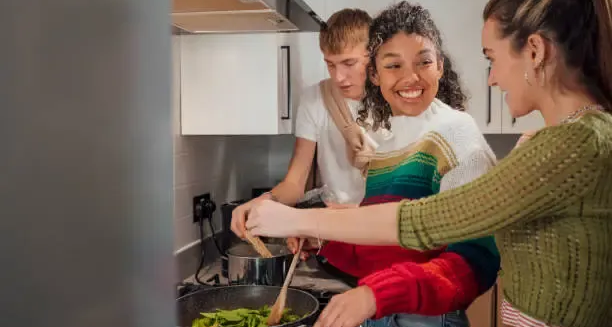
The study highlights the potential value of everyday activities in supporting recovery from severe mental illness. Specifically, it presents occupational therapy and cooking groups as ways to help someone build practical skills and work toward independent living. Through meal planning, grocery shopping, and cooking, participants can practice routines, learn about nutrition, and find a sense of belonging.
This case also offers a way to think about the therapeutic role that food and cooking can have in someone’s life. While the experiences of one participant cannot show that cooking groups will improve mental health for everyone, they suggest that these activities may provide meaningful support during recovery and the transition to community living.
Author:
Vicky Wang, Psychology Major, Emory University
Editor:
Mary Yeboah, Emory University
Article Reviewed:
Garcia, A., & Privott, C. (2023). Meal preparation and cooking group participation in mental health: A community transition. Food Studies: An Interdisciplinary Journal, 13(2), 85–101. https://doi.org/10.18848/2160-1933/CGP/v13i02/85-101