What Resources Do Black Boys Use to Support Their Mental Health?
Introduction
Black adolescent boys face unique and serious mental health challenges that are often underaddressed. According to Ribeiro Brown et al. (2022), Black boys are disproportionately exposed to psychosocial stressors such as racial discrimination, community violence, poverty, and attending under-resourced schools. Despite this heightened risk, research on how Black boys seek help and what mental health resources they use remains scarce. Previous research estimates that between 50% and 76.5% of Black youth have unmet mental health service needs. That gap matters.
The purpose of this exploratory case study was to examine the types of mental health resources Black high school boys currently use, with the broader goal of informing the development of a tailored mental health education and support program for this population. In this study, mental health resources are broadly defined as any person, platform, tool, or practice that a young person turns to cope with stress and support their emotional wellbeing. The researchers set out to answer one question: What kinds of mental health support resources are Black boys using?
Methods
Ribeiro Brown et al. (2022) used an exploratory case study design with a qualitative approach, meaning the study focused on in-depth individual and group experiences rather than numerical measurements. The researchers recruited six self-identified Black male high school students from a predominantly Black high school in southeastern Michigan. The participants ranged in age from 15 to 17 years old (mean age = 16.5), with five being high school seniors and one being a sophomore. One participant also identified as Afro-Latino and one as Afro-Caribbean.
A Black male PhD-trained researcher led an hour-long focus group over lunch in the fall semester of 2021 to gather data. The focus group questionnaire covered topics like where participants look for information, who they trust for health information, how they handle stress, which social media platforms they use, how they feel about school-based programs, and what qualities would make a person or program trustworthy. The audio recording of the session was transcribed. To find the most common codes and themes, data were evaluated using a Rapid and Accelerated Data Reduction (RADaR) technique in conjunction with traditional text analysis.
Results
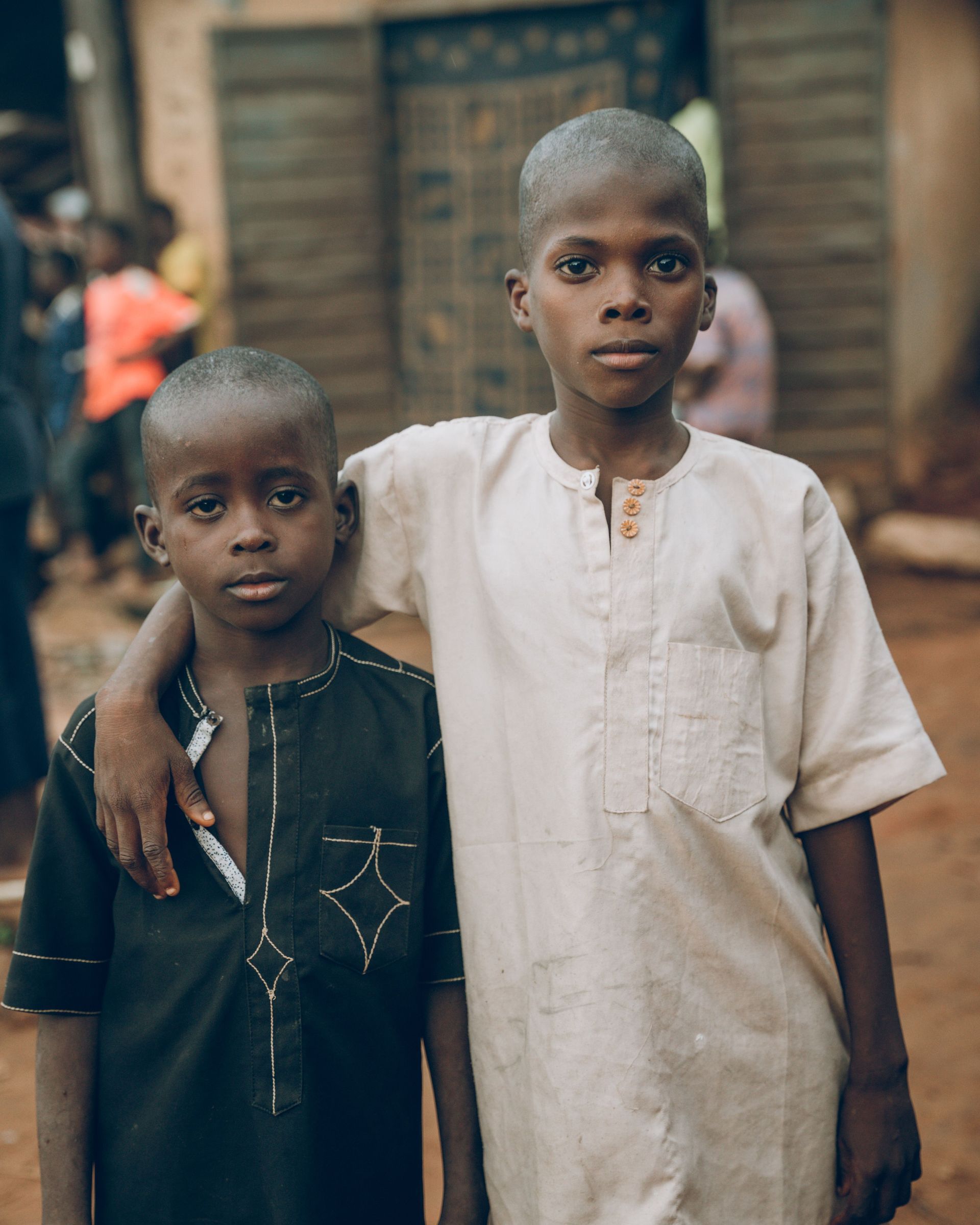
Four major themes emerged from the analysis. The first theme was online resources, including social media (Instagram and Snapchat), websites, and entertainment media. The second theme was community and trusted individuals, with boys reporting that they relied on neighbors, older family members, and community figures who had shared similar life experiences. Participants emphasized that trusted individuals needed to be both relatable and educated. The third theme was self-reliance, where some boys expressed a preference for handling stress independently, reflecting a cultural norm of emotional self-management common among Black adolescents. The fourth theme was additional needs, where participants identified gaps in culturally tailored programs, positive role models, and school support.
Why This Matters
These findings are an important addition to the literature on wellbeing because they center the voices and lived experiences of a group that is historically underrepresented in mental health research. By identifying the specific resources Black boys use rather than assuming what they need, this study provides a foundation for designing more effective, culturally responsive mental health programs. The fact that these boys turned most frequently to informal supports like trusted community members and self-reliance highlights that traditional clinical models alone are insufficient for this population.
This lesson lands close to home at a place like Emory, too. Black male college students in particular frequently deal with racial stresses, academic pressure, and an emotional self-reliance culture that may keep them from getting professional assistance. According to this study, visible, relatable role models on campus, community-based wellness programs, and peer mentorship programs can all be effective mental health resources. Universities should invest in culturally affirming support systems, such as student clubs, mentorship pipelines, and social media–based outreach that meet students where they are, rather than depending exclusively on counseling centers. Encouraging Black male students to find and build connections with reliable people in their community isn't a small thing. It's a useful, successful way to enhance general welfare.
Author:
Christopher Harris, Psychology Major, Emory University
Editor:
Rebekah Afework, Emory University
Article Reviewed
Ribeiro Brown, B., Williams, E.-D.G., Abelson, J.M., Chandrakapure, A., & Watkins, D.C. (2022). An exploratory case study of the types of resources Black boys use to support their mental health. Healthcare, 10(6), 1082. https://doi.org/10.3390/healthcare10061082