The Impact of Walking on Creativity in University Students
It’s not a new idea that walking can provide a creative boost. While prior literature focused mainly on more intense aerobic exercise, the authors aimed to test whether a simple and accessible activity like walking could improve creativity both in the moment and shortly afterward. Specifically, the study examined how walking affects divergent thinking (brainstorming) versus convergent thinking (finding a single correct solution), with the goal of identifying an easy method for boosting creativity (Oppezzo & Schwartz, 2014).
The study includes four experiments assessing how walking affects creativity. Experiment 1 shows that walking on a treadmill improves divergent thinking. Experiment 2 addresses practice effects and finds that the benefits of walking persist even after participants sit down. Experiment 3 shows that these benefits also occur in outdoor settings. Finally, Experiment 4 provides evidence that walking, rather than simply being outdoors, contributes to the increase in creativity.

Creativity was measured primarily through divergent thinking tasks, such as generating alternative uses for objects and creating analogies. One experiment also included a convergent thinking task. The researchers varied the sequence of sitting and walking conditions - such as sit-sit, sit-walk, and walk-sit - to account for practice effects and isolate the impact of walking.
Across all four experiments, walking consistently increased creative output. In Experiment 1, 81% of participants showed higher creativity while walking, generating about 50% more ideas on average compared to sitting. In Experiment 2, 88% of participants generated more novel ideas while walking. Those who walked first also maintained higher creativity after sitting down, suggesting that the benefits continued beyond the activity itself. In Experiment 3, outdoor walking roughly doubled the number of novel ideas compared to sitting. In Experiment 4, 95% of participants who walked produced at least one high-quality novel analogy, compared to only 50% of those who remained seated. Overall, walking enhanced divergent thinking, though it did not improve performance on the convergent thinking task.
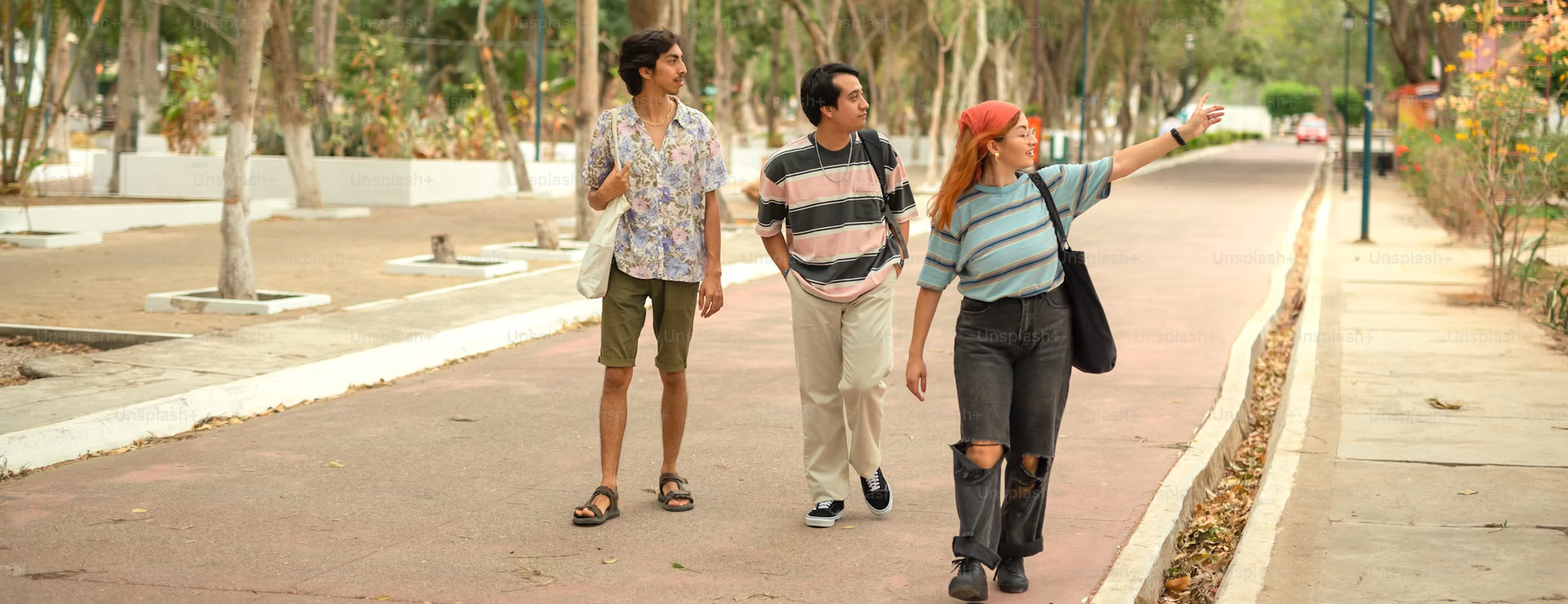
The findings are especially important because they point to a simple, accessible, and cost-effective way to enhance creativity. Psychological research and the interventions it recommends can sometimes be more accessible to privileged populations. By contrast, walking is free, requires no special equipment, and can fit into the routines of people of many ages and backgrounds. Although walking is not accessible to everyone, it offers a practical way for many people to apply these findings.
In real-world settings, incorporating walking into daily routines - before brainstorming sessions, during study breaks, or throughout the workday - could help improve creative thinking. The finding that these benefits can continue after walking also makes the activity useful before tasks that require sitting at a desk. Overall, the study highlights how small changes in behavior can have measurable cognitive benefits, giving its findings practical relevance to everyday life.
Author:
Natasha Strauss, Data Science and Psychology Major, Emory University
Editor:
Mary Yeboah, Emory University
Article Reviewed:
Oppezzo, M., & Schwartz, D. L. (2014). Give your ideas some legs: The positive effect of walking on creative thinking. Journal of Experimental Psychology: Learning, Memory, and Cognition, 40(4), 1142–1152. https://doi.org/10.1037/a0036577