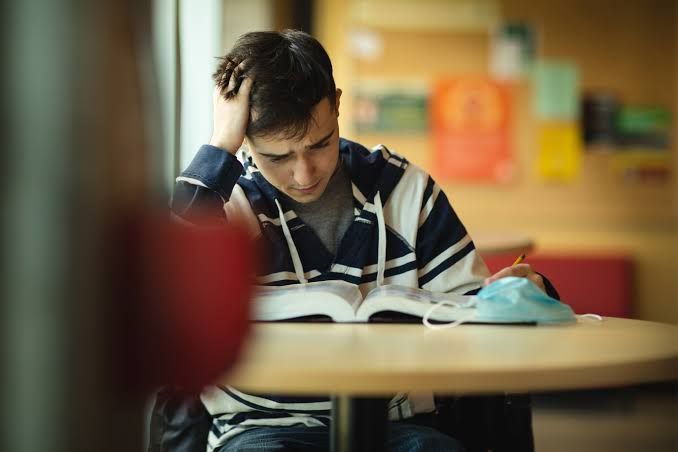
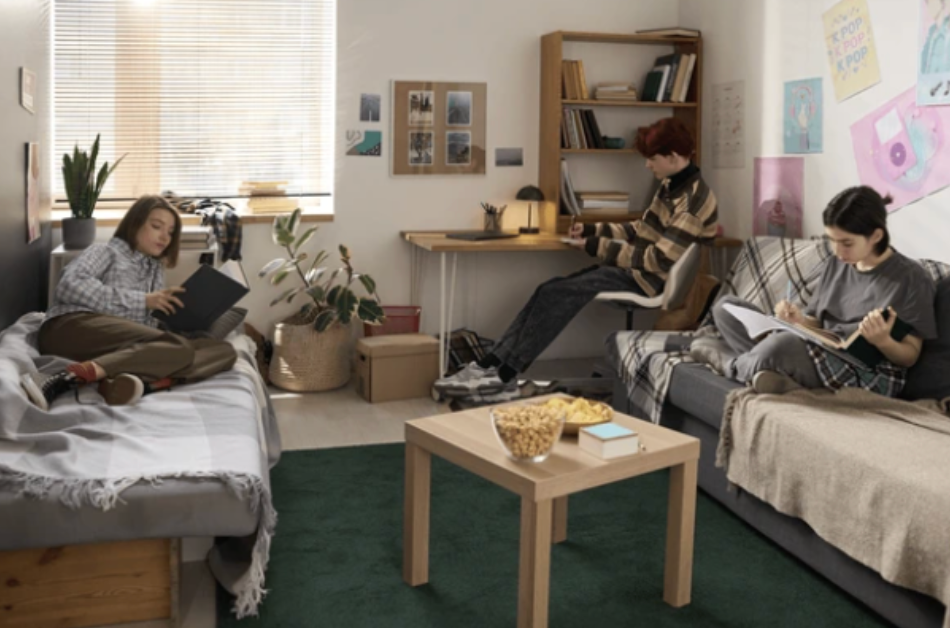
How does social isolation impact well-being in adults during a pandemic?
The SARS-CoV-2 pandemic beginning in 2020 placed the world in unique situation of mandatory social and physical isolation, through stay at home orders and a transition to virtual work, leaving many adults disconnected from the social communities they belonged to. The study defines social isolation as the “inadequate quantity and/or quality of interactions with other people, including those interactions that occur at the individual, group, and/or community level,” (Clair et al., 2021). Pre-existing research confirms the role of social isolation in wellbeing, both physical and emotional, but does not specifically examine isolation within pandemics and its impact on psychological wellbeing (Clair et al., 2021). This study was conducted from late March to early April 2020, with 309 adult participants who resided in the United States and Europe.

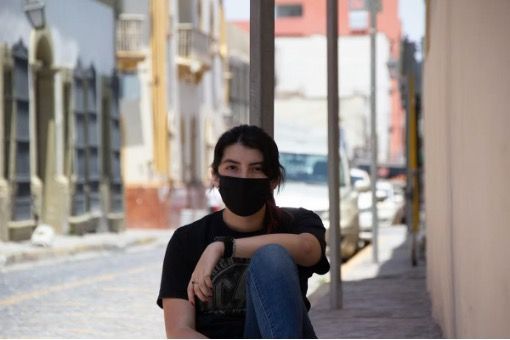
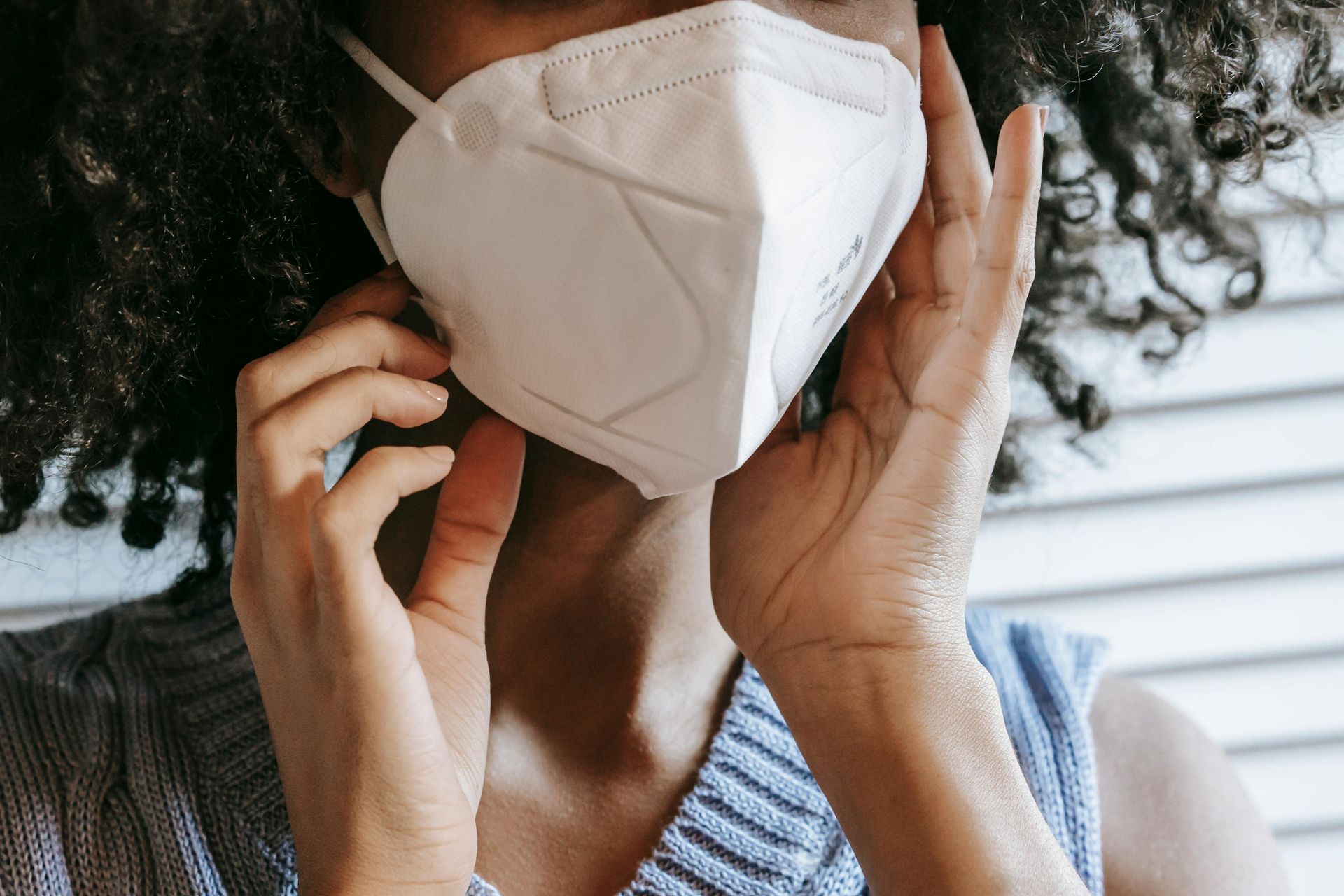
These results are important because they highlight the role social isolation plays in overall life satisfaction and well-being, and provide a basis for intervention programs to increase social connectivity and strengthen a sense of community in order to improve quality of life and psychological well-being in adults. “These findings indicate that perceived social isolation can be a significant mediator in life satisfaction and well-being across the adult lifespan during a global health crisis” (Clair et al., 2021). The lack of significant differences in occupation and ethnicity also reaffirms these results as generalizable to larger populations in the United States and worldwide, emphasizing the importance of social connectivity regardless of demographic background. Introducing opportunities for social connectivity from a younger age, as well as intervention programs to reduce social isolation in adolescents and build a framework of connection throughout the lifespan, can help reduce poor life satisfaction later in life and better support psychological well-being in the context of connection and community.
Author:
Shreya Aithal, Neuroscience and Behavioral Biology Major, Emory University
Editor:
Mary Yeboah, Emory University
Article Reviewed:
Clair, R., Gordon, M., Kroon, M., & Reilly, C. (2021). The effects of social isolation on well-being and life satisfaction during pandemic. Humanities and Social Sciences Communications, 8(1), 1–6.
https://doi.org/10.1057/s41599-021-00710-3