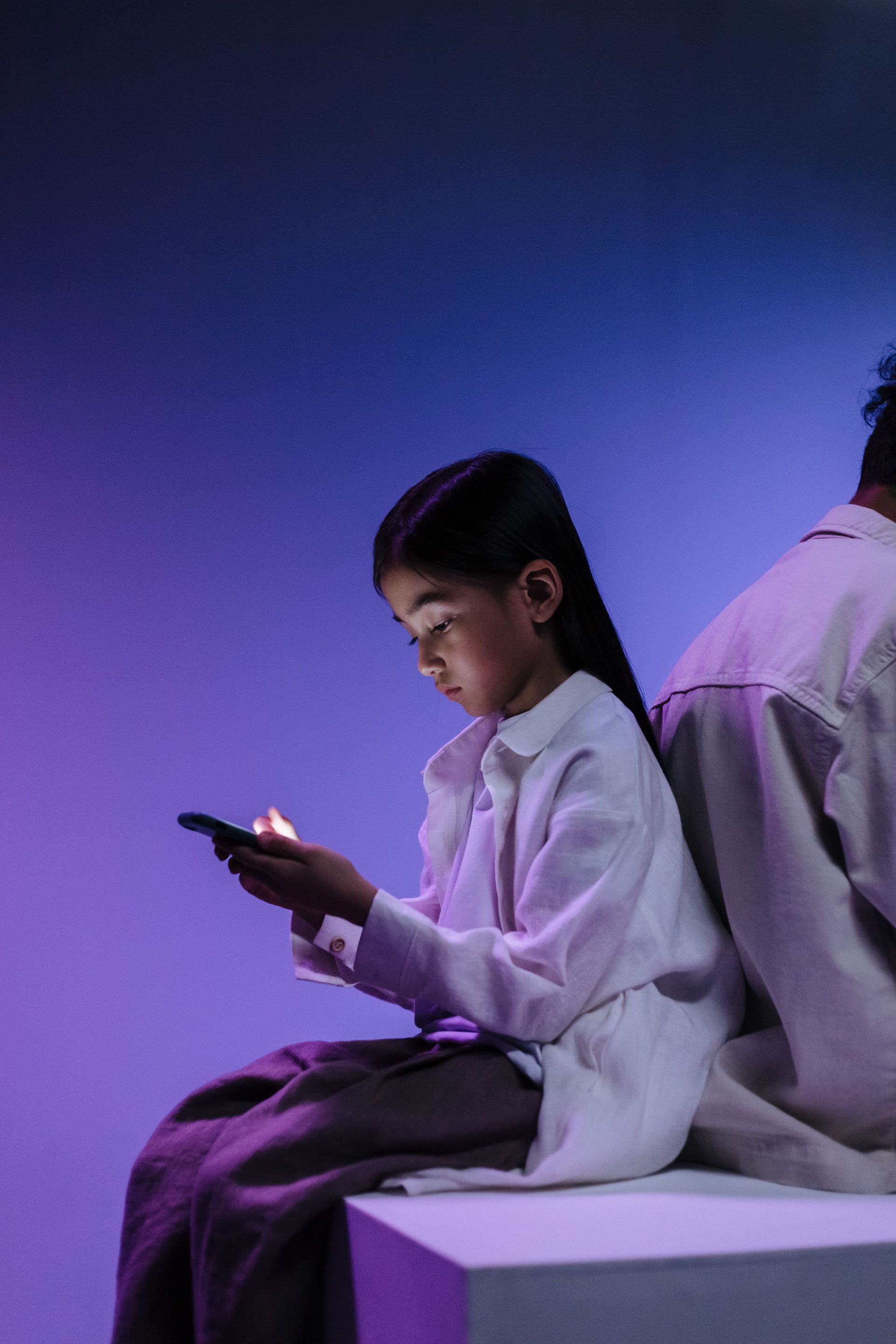
Talking to Strangers to Alter Pessimistic Views of Social Interaction

Grace Peng, Undecided, Emory University • June 1, 2026

Feelings of belonging and connection within a community—most often fostered through social interaction—are crucial to well-being. However, people’s perceptions of social interaction are often clouded by pessimistic assumptions, such as believing others do not want to talk to them, underestimating their own conversational abilities, or holding negative beliefs about how others perceive them (Sandstrom et al., 2022). These fears can manifest through “civil inattention,” a term characterized by avoidance behaviors such as plugging in headphones or remaining glued to one’s phone (Sandstrom et al., 2022). Overreliance on these behaviors can cultivate what Ozawa de-Silva (2021) describes as a “lonely society,” emphasizing the need to encourage stronger social bonds within communities. The following review summarizes a week-long scavenger hunt conducted among university students by Sandstrom et al. (2022), in which participants completed challenges that involved either observing or talking with strangers. The researchers aimed, first, to support existing findings that people underestimate their ability to converse with others and, second, to demonstrate that talking to strangers can lead to positive experiences, revealing that many social fears are exaggerated. More broadly, the study sought to act as an intervention by showing that repeated exposure to positive interactions with strangers could encourage more positive attitudes toward social interaction. 1 Ozawa-de-Silva (2021) defines the term “lonely society” as a society that fosters feelings of irrelevance or lack of care due to pre-existing structures that hinder belonging and connectedness.



An initial total of 436 participants, randomly selected from two universities, were tasked with completing a week-long, multi-site scavenger hunt using a mobile app called GooseChase. Throughout the study, the sample size was reduced to 286 participants due to experimenter error, pre-registration exclusion criteria, participant dropout, or failure of honesty checks. Participants were divided into two experimental groups: a control group of 72 participants who were instructed to observe strangers throughout the intervention, and a treatment group of 156 participants who were instructed to talk to strangers. To measure changes in expectations and reactions toward social interaction, participants completed a “General” survey at the beginning and end of the one-week period, along with a follow-up survey one week later. In addition, participants completed “Daily” surveys before and after interactions with strangers to examine the psychological effects of the treatment on their attitudes. These daily surveys analyzed factors such as expectations of rejection, perceived conversational ability, expectations of awkwardness and enjoyment, and the positivity of social interactions.

Upon completion of the scavenger hunt, Sandstrom et al.’s (2022) findings demonstrated an overall improvement in attitudes toward social interaction among participants in the treatment group compared to those in the control group. Results from the “General” surveys showed that participants in the treatment group experienced greater decreases in expectations of rejection when initiating conversations with strangers, and these improvements remained consistent during the one-week follow-up. In contrast, the control group showed little change in feelings of rejection after simply observing strangers over the same time period. This decrease in expectations of rejection suggests that people became more willing to engage in social communication, supporting Sandstrom et al.’s goal of fostering more positive attitudes toward interactions with strangers.

Additionally, the intervention appeared to influence participants’ behaviors. After the one-week follow-up survey, participants in the treatment group reported engaging in conversations with strangers more frequently. Although behavioral analysis was secondary to examining attitudes, these findings demonstrated that the intervention not only made participants feel more comfortable interacting with strangers, but also increased feelings of self-confidence, further encouraging social engagement. Overall, Sandstrom et al.’s scavenger hunt intervention demonstrates significant therapeutic potential for fostering social connection within communities and reducing feelings of loneliness.

While the primary focus of this review is to summarize Sandstrom et al.’s (2022) intervention, the following discussion draws on Ozawa-de-Silva’s (2021) literature to further contextualize the study’s real-world implications. In 2017, public officials began declaring loneliness a growing public health issue, while researchers identified social isolation as a contributor to reduced lifespan (Ozawa-de-Silva, 2021). The intervention examined in this study—centered around repeated exposure to positive interactions with strangers—offers a novel approach to shifting socially avoidant attitudes and behaviors into ones that encourage connection. Sandstrom et al.’s findings open an important conversation about challenging the threat loneliness poses by inspiring the implementation of similar interventions that promote pro-social behaviors and strengthen belonging within communities.

Despite these promising findings, one major limitation of the study is its lack of external validity, as the gamified nature of the scavenger hunt may not translate easily to real-world experiences, and the sample of university students may not be representative of the broader population (Sandstrom et al., 2022). It is also important to consider Ozawa-de-Silva’s (2021) concept of a lonely society, in which loneliness may be disproportionately experienced among neglected or marginalized populations. To address this limitation, Sandstrom et al.’s study could be expanded to populations outside of university students, particularly communities more vulnerable to loneliness, such as minority and immigrant groups. Doing so could help determine how variations of this intervention might interact with existing social structures to cultivate belonging and connection. While there is significant potential for this treatment to support vulnerable populations on a larger scale, the study also demonstrates, especially for students, the value of overcoming pessimism and taking the opportunity to connect with peers and classmates as one step toward combating loneliness.


Author:

Grace Peng, Undecided, Emory University

Editor:

Mary Yeboah, Emory University


Articles Reviewed:

Ozawa-de Silva, C. (2021). Introduction: Disconnected people and the lonely society. The anatomy of loneliness: Suicide, social connection, and the search for relational meaning in contemporary Japan (pp. 1-17). University of California Press. 

https://doi.org/10.2307/j.ctv21r3j52 


Sandstrom, G. M., Boothby, E. J., & Cooney, G. (2022). Talking to strangers: A week-long intervention reduces psychological barriers to social connection. Journal of Experimental Social Psychology, 102, 104356. https://doi.org/10.1016/j.jesp.2022.104356


By Lexi Minor, Emory University June 3, 2026
Stress is defined as an individual’s reaction, whether psychological or physiological, to external or internal challenges or triggers (American Psychological Association, 2018). There are many sources of stress that can change and fluctuate throughout someone’s lifetime. For instance, college students may cite their studies or future as being stressful, while adults may experience stress related to finances, jobs, or personal lives. One group of individuals that experiences particularly heightened levels of stress are healthcare professionals (Pulido-Martos, 2011). As a result, I sought to find a possible stress management strategy for individuals working in the healthcare field.
By Sage Buchris, Psychology and Religion Major, Emory University May 21, 2026
In recent years, mindfulness training has become a major trend in popular culture, commonly linked to reduced anxiety and perceived stress. Still, an important question remains: how effective is mindfulness training for college students? The study “Effects of mindfulness training on daily stress response in college students: Ecological momentary assessment of a randomized controlled trial” seeks to answer this. This study aimed to observe the effects of an 8-session mindfulness training program on first-year college students, specifically looking at daily experiences of stress, stress reactivity, and emotional regulation. The Learning 2 Breathe mindfulness program was adapted for college students and focused on increasing awareness of the body, thoughts, and emotions.
By Shreya Aithal, Neuroscience and Behavioral Biology Major, Emory University April 14, 2026
Participants recruited were aged 18 years and above, and were diverse by “age, occupation, and ethnicity,” (Clair et al., 2021). Participants completed a 42-question electronic survey that included 20 questions from the Likert scale (which measured the frequency of certain behaviors and satisfaction with lifestyle elements), the UCLA Loneliness Scale, 12 author-designed questions specific to the SARS-CoV-2 pandemic, and questions to determine life satisfaction and institutional trust. The survey was initially distributed to a broad group of participants, who were then asked to share it with others who might be interested. Participants were asked to fill out an informed consent form prior to completing the survey. Results indicated that life satisfaction deceased for those who experienced greater social isolation. A Kruskal-Wallis test yielded a p-value less than 0.001, and median levels of life satisfaction showed that those with high social isolation experienced ~2.82 scores, while low social isolation participants had a median score of 3.47.
By Juliana Rodriguez, Human Biology and Anthropology Major, Emory University April 8, 2026
To measure positive emotions and mental health, the researchers used questionnaires. College students were divided into two groups based on how often they ran long distances. Positive emotions were measured at four time points (T1, T2, T3, T4), which represented the start of the study and then 30, 60, and 90 days later. The running group included 52 students at each stage, while the control group included 37 students. Mental health was measured using different dimensions, including depression, obsession‑compulsion, and anxiety. This design allowed the researchers to track how regular long‑distance running might shape both emotional well‑being and mental health over time. When looking at the results for positive emotions, the researchers found that students who ran regularly had higher scores across all measured aspects, including feeling energetic, confident, and relaxed. The only category that did not show much change was the “quietness” category. For mental health, students who did not run or rarely ran had higher scores in almost all of the negative mental health areas. Their scores indicated that their levels of depression and anxiety were above normal. This suggests that students who do not run regularly may be more likely to experience psychological stress. In contrast, students who ran at least once a week had mental health scores within the normal range, indicating healthier mental well‑being. Together, these results show that regular long‑distance running is associated with better mental health and more positive emotional experiences (Feng, Zhou et al. 2020).
By Lauren Patterson, Computer Science/Economics Major, Emory University April 1, 2026
So how did the researchers actually study this connection? This prospective study was longitudinal as it followed a group of 10,094 Spanish university graduates from the (Seguimiento Universidad de Navarra) over many years. At baseline, all participants were free from clinical depression and filled out a validated food frequency questionnaire designed to measure adherence to the Mediterranean diet. The adherence was scored from 0 to 9, low to high, based on the consistency of their consumption of key dietary components. Then participants were given the questionnaire periodically over a few years; the duration of this following period varied from participant to participant, but the mean was 4.4 years. The researchers found a clear inverse relationship between how closely the participants followed the Mediterranean diet and their risk of depression. Specifically, their results yielded that those who scored high (6-9 points) on the diet adherence scale had about a 30% lower risk of developing depression compared to those with low adherence (0-3 points). When statistically running these results, the researchers controlled confounding factors such as age, physical activity, smoking, and total energy intake. The protective effect of the diet is thought to stem from its high levels of omega-3 fatty acids, antioxidants, and B vitamins, which have been shown to support brain health and reduce inflammation.
By Ebony Woods, Psychology Major, Emory University  March 29, 2026
This cross-sectional study took place between May and June of 2024 at Noakhali Science and Technology University. Using Cochran’s formula, researchers estimated a sample size of 384; however, to account for non-response, they increased the final sample to 450 students. Participants were then selected through simple random sampling across the university’s facilities and academic levels. Researchers administered a structured questionnaire that included socio-demographic characteristics as well as measures of participants’ perceived stress, nutrition literacy, healthy eating behavior, and physical activity levels using adapted scales (p. 4). As a result, more than half of the students (57.3%) had low nutrition literacy, and 47.6% had poor healthy eating behavior. Although no association between nutrition literacy and physical activity was found, results revealed a significant association between nutrition-related factors and perceived stress, consistent with findings from similar studies. Despite this, this study is limited by its relatively homogeneous sample and reliance on self-reported data.. Nevertheless, Hasan et al. recommend universities make healthy food options more accessible and prioritize nutritional education programs for students.
By Ava Opper, Psychology Major, Emory University March 25, 2026
Over six weeks, participants took part in weekly 60-minute vinyasa flow yoga sessions, followed by 30-minute guided meditation. Both activities were led by trained faculty members from the University of Rhode Island College of Pharmacy and conducted in a private classroom within the College of Pharmacy building. These sessions provided participants with a structured and accessible opportunity to step away from academic demands and explore the stress-relieving effects of yoga and meditation. To assess changes in participants’ stress, anxiety, and mindfulness, the researchers used three self-report questionnaires. Students’ scores on each questionnaire were evaluated before and after the intervention using numerical values and categorical scales (low, medium, and high) specific to each instrument (Lemay et al., 2019). The Beck Anxiety Inventory (BAI) measured the severity of anxiety symptoms, the Perceived Stress Scale (PSS) evaluated how stressed students felt in their daily lives, and the Five Facet Mindfulness Questionnaire (FFMQ) assessed mindfulness skills across five dimensions (Lemay et al., 2019).
By Marissa Chen, Psychology B.A. & Ethics minor, Emory University March 22, 2026
The study used an online focus group method that included 18 graduate students at a very high research activity university. Participants were verified as both neurodivergent and STEM students based on their responses to a graduate student listserv and information from the university’s disability services office. Degree programs were classified as STEM by considering the majors offered and their alignment with National Science Foundation research areas (Syharat et al., 2023). To gather data, the researchers asked participants open-ended questions about their general experiences in graduate school. The online focus-group format allowed students not only to share their own experiences, but also to reflect on and respond to others’ stories, which enriched the data collected. Responses from earlier focus groups were used to refine and develop questions for later groups. Questions typically addressed topics such as individual strengths and challenges, relationships with peers and mentors, understanding of neurodiversity, and experiences with accommodations in both past and current educational settings.
By Karen Wang, Chemistry major, Emory University March 18, 2026
Results showed that students were more likely to listen to music alone. Specifically, 31.03% of respondents reported rarely listening with others in the past week, while 47.41% reported only sometimes doing so. Music can help validate and process emotions, and this may be more effective when students listen alone, as it provides a more intimate space for engagement. Furthermore, 37.04% of students often listened to music to match their mood, and 36.11% of students did so very often. 91.67% of participants also used music to influence their mood in various ways, such as alleviating anxiety, escaping from reality, or getting through difficult times.
By Lily Orlando, Chemistry Major, Emory University March 15, 2026
The participants were asked to read and evaluate therapy scenarios generated from human-AI and human-human interactions. The human therapy scenarios are transcripts adapted from Cognitive Behavioral Therapy (CBT) textbooks, and the Pi therapy conversations were generated by Pi using the same client opening statements. The participants were divided into four groups. Group 1 assessed two human-human interactions. Group 2 evaluated one human-human interaction, followed by one human-AI interaction. Group 3 focused on one human-AI interaction, followed by one human-human interaction. Group 4 assessed both human-AI interactions. The participants would read the scenario, assess the quality of described counseling, and identify whether it was human-human or human-AI. The scenarios were ranked on a 5-point Likert scale with questions focused on communication, understanding, credibility, and therapeutic techniques. The mean quality score was 3.70 for human-AI therapy transcripts and 3.43 for human-human transcripts. The percentage of correctly identified human-human transcripts (59.3%) was higher than correctly identified human-AI transcripts (49.2%). Kuhail et al. concluded, using the Mann-Whitney U test, that there was a statistically significant difference in therapists’ rating of human-human and human-AI therapy, with human-AI therapy rated at a higher quality. In addition, therapists could not reliably tell the difference between human-human and human-AI therapy. The use of a chi-square test confirmed that therapists’ identification of human therapists and Pi was not statistically significant.
More Posts