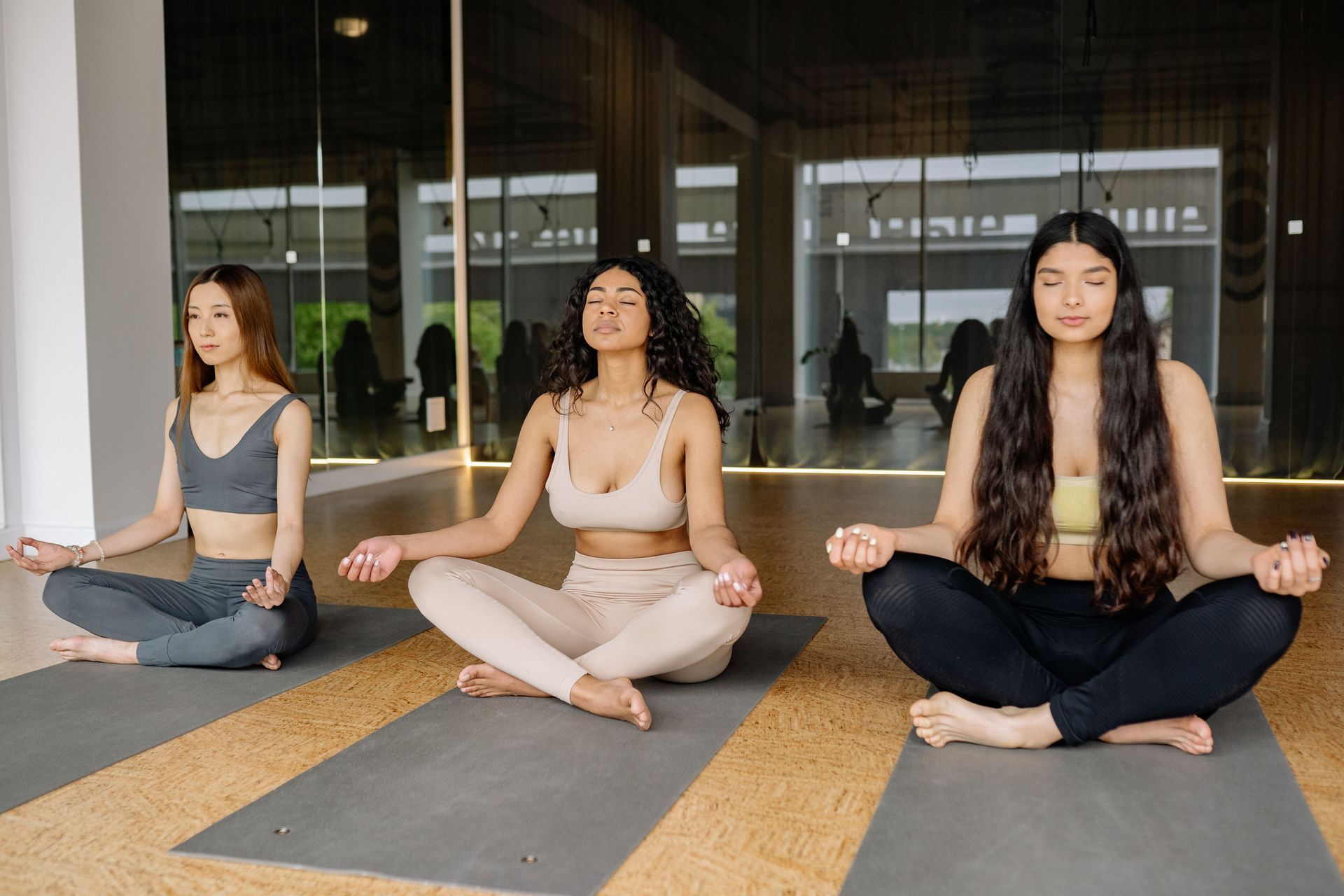
The Impact of a Yoga Meditation Intervention on Student's Stress and Anxiety Levels
Stress is an inevitable part of life, but it is especially prevalent among college students navigating the demands of rigorous academic programs. According to Lemay et al. (2019), stress is defined as “a state of mental or emotional strain or tension resulting from adverse or very demanding circumstances.” This definition captures what many students in health-related professional fields experience daily, as the pressure to perform well can feel extremely overwhelming.
In the spring of 2017, Lemay and colleagues investigated how yoga and meditation, which are widely accepted as nonpharmacologic modalities for stress and anxiety reduction, impact students’ overall mental health. Seventeen college students between the ages of 19 and 23 participated in the study. Thirteen of these students were female and four were male. Nine students were enrolled in the Doctor of Pharmacy program, while the remaining eight were pursuing degrees in other areas of study (Lemay et al., 2019).


After the six-week intervention, Lemay et al. (2019) found that participants showed significant decreases in both anxiety and stress levels, along with a notable increase in overall mindfulness skills. Post-intervention assessments revealed that no students scored in the “high” category for stress or anxiety, indicating a shift toward lower stress and anxiety levels.
These findings suggest that participating in weekly yoga and meditation practices can effectively reduce stress and anxiety among college students while simultaneously improving mindfulness. In other words, building regular mind–body practices into students’ routines may help them feel calmer and more emotionally balanced as they manage the pressures of college life. Based on these results, Lemay et al. (2019) recommend that educational institutions consider integrating nonpharmacologic stress and anxiety reduction methods into their curricula to support student well-being.

The findings of this study are an important contribution to growing research on well-being, especially for college students dealing with high levels of stress. For those in demanding academic environments, the study highlights how natural, nonpharmacologic methods like yoga and meditation can help manage stress and anxiety when incorporated into daily routines.
These insights also provide educational institutions with evidence to support the development of wellness programs that take a more holistic approach to student care. By introducing structured practices like yoga and meditation, schools can create a supportive environment that helps reduce stress, promotes mindfulness, and improves emotional well-being—all of which can boost academic success and positively impact overall quality of life. Beyond institutional changes, it is also worth asking: What would it look like to give yourself 30 minutes this week just to breathe?
Author:
Ava Opper, Psychology Major, Emory University
Editor:
Rebekah Afework, Emory University
Article Reviewed:
Lemay, V., Hoolahan, J., & Buchanan, A. (2019). Impact of a yoga and meditation intervention on students' stress and anxiety levels. American Journal of Pharmaceutical Education, 83(5), 7001. https://doi.org/10.5688/ajpe7001