Social media and Adolescent Mental Health: The Good, The Bad and the Ugly
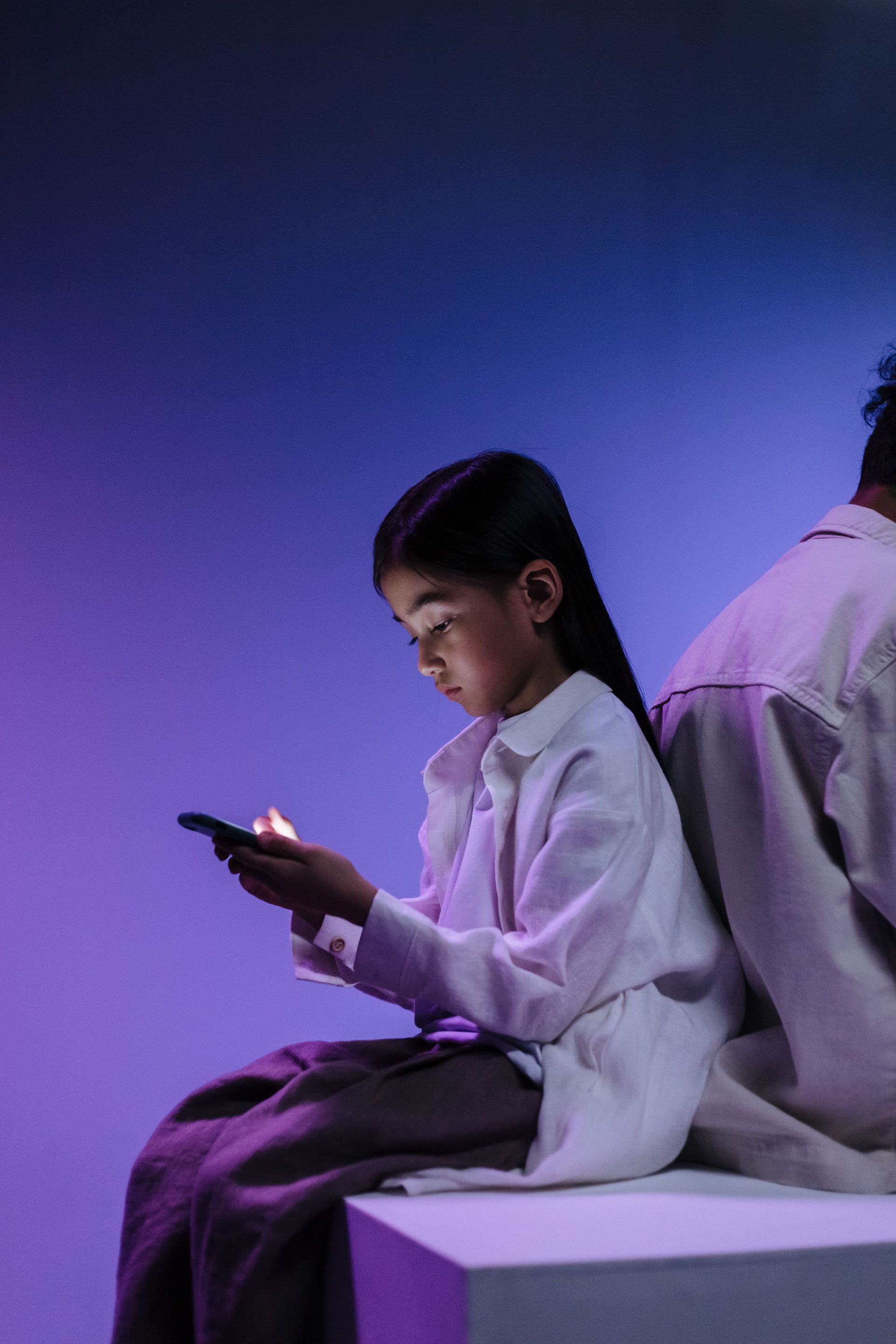
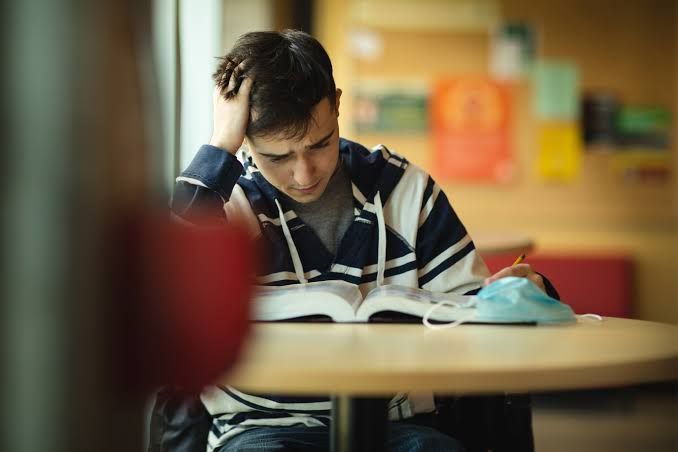
Social media has become an integral part of adolescents’ lives. This study examines how adolescents engage with social media platforms, what they use them for (such as communication, identity expression, entertainment, belonging), and what aspects may be helpful or harmful. Mental health is considered broadly, including emotional well-being, stress, anxiety, mood, self-esteem, and overall psychological functioning. The study focuses on how adolescents perceive social media to affect these dimensions in their lived experiences. Additionally, practitioners describe how they evaluate potential harms associated with social media use such as exposure to cyberbullying, social comparison, pressure to present oneself a certain way, and harmful content. Social media is discussed as a “new domain” practitioners must now consider during clinical assessment.
Participants described what they perceived as the “good,” “bad,” and “ugly” sides of social media, weighing its potential benefits to well-being against its negative impacts on adolescents. Participants often distinguished between their own social media use and that of others, tending to view their personal engagement as relatively safe or manageable while they perceived other teens as being at higher risk. Although they acknowledged the problems of social media, they often attributed those risks to “other kids” not themselves or their close peers. Mental health practitioners echoed many of these concerns or criticisms about social media, such as its impact on anxiety, comparison, or exposure to harmful content. At the same time, they also recognized that social media can have positive aspects, such as social connection, support, and creative expression.

These results are important because they highlight both the benefits and drawbacks of social media on the lives and well-being of adolescents. Considering both sides of social media use allows for a more balanced and accurate understanding. Social media is neither inherently harmful or beneficial, it can function as both depending on how it is used. Looking at only one side oversimplifies what has become a complex part of adolescents’ lives. Encouraging a more holistic view of social media may benefit both adolescents and practitioners, as social media can empower adolescents by validating its meaningful role in friendship, communication, and self-expression. Nonetheless, if students feel that they understand the risks and benefits of social media use, they can make informed decisions about how they let it play a role in their lives. Students can use social media creatively to share their experiences and connect with others in meaningful ways.
Author:
Caroline Wallace, Emory University
Editor:
Mary Yeboah, Emory University
Article Reviewed:
O’Reilly, M. (2020). Social media and adolescent mental health: the good, the bad and the ugly. Journal of Mental Health, 29(2), 200–206. https://doi.org/10.1080/09638237.2020.1714007